

Recommended Reading
Books that shape how we think about leadership, culture, and organizational performance.
Leadership is developed over time – through experience, reflection, and exposure to ideas that challenge how we see the world. The books shared here. Have influenced how we think about leadership, culture, and organizational performance.
This is not an exhaustive list. It is a curated collection of writing that has stood the test of time and continues to inform how we coach, advise, and work with leaders at every stage of their journey.
Reading Paths
Because leadership grows in stages, we’ve organized our recommendations into two paths. Each reflects the questions leaders are asking at different points in their careers.
For Emerging Leaders
Build confidence, credibility, and self-awareness
These books support the transition from capable contributor to future leader.
They focus on mindset, communication, motivation, and the behaviors that establish credibility early.
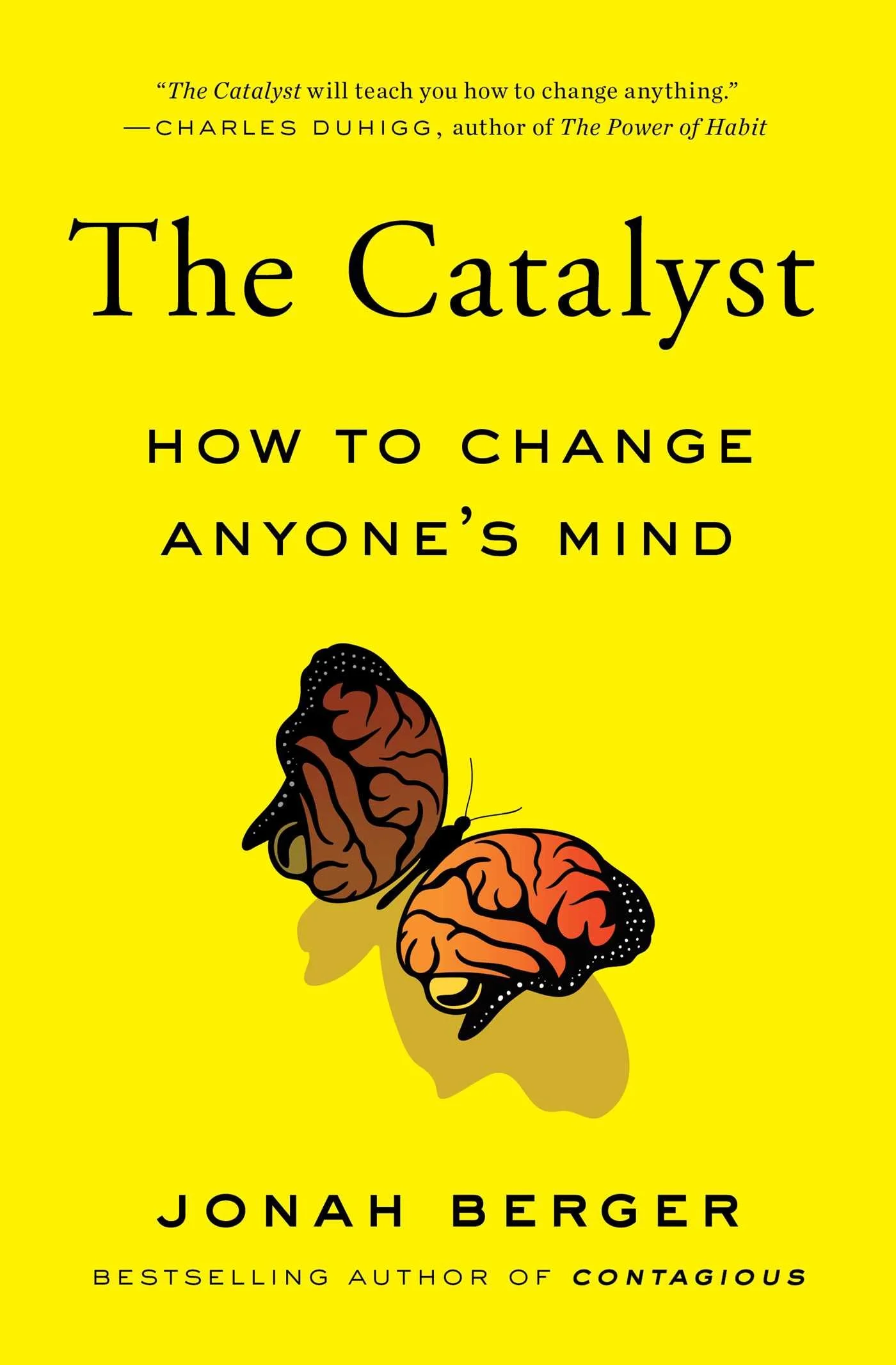
The Catalyst
The Catalyst explores a revolutionary approach to persuasion by focusing on removing barriers to change rather than pushing harder.
Jonah Berger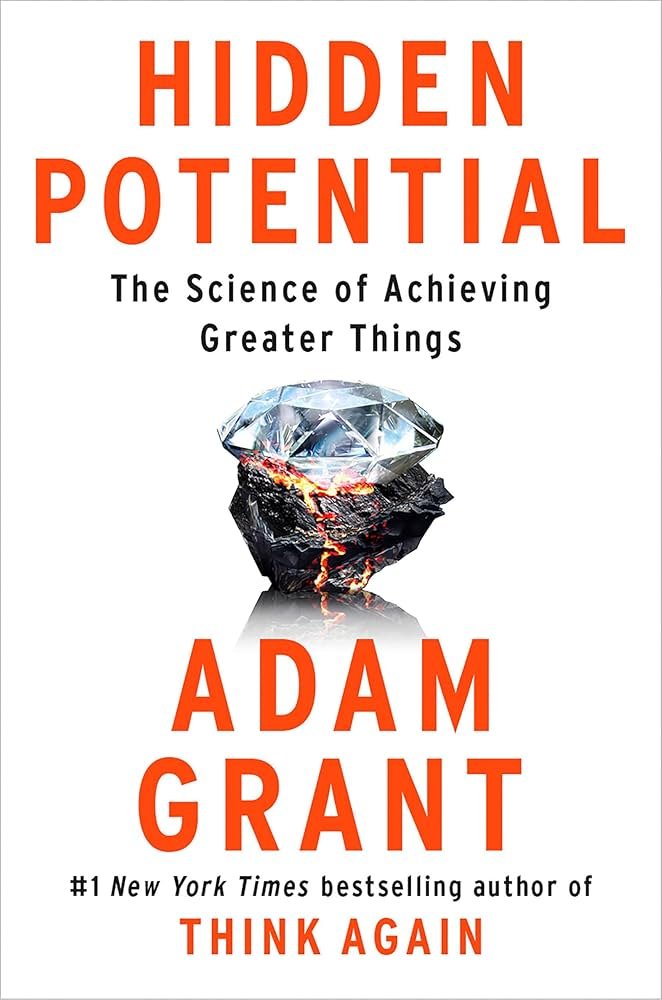
Hidden Potential
Hidden Potential argues that success is determined less by innate talent and more by the ability to learn, character development, and overcoming obstacles.
Adam Grant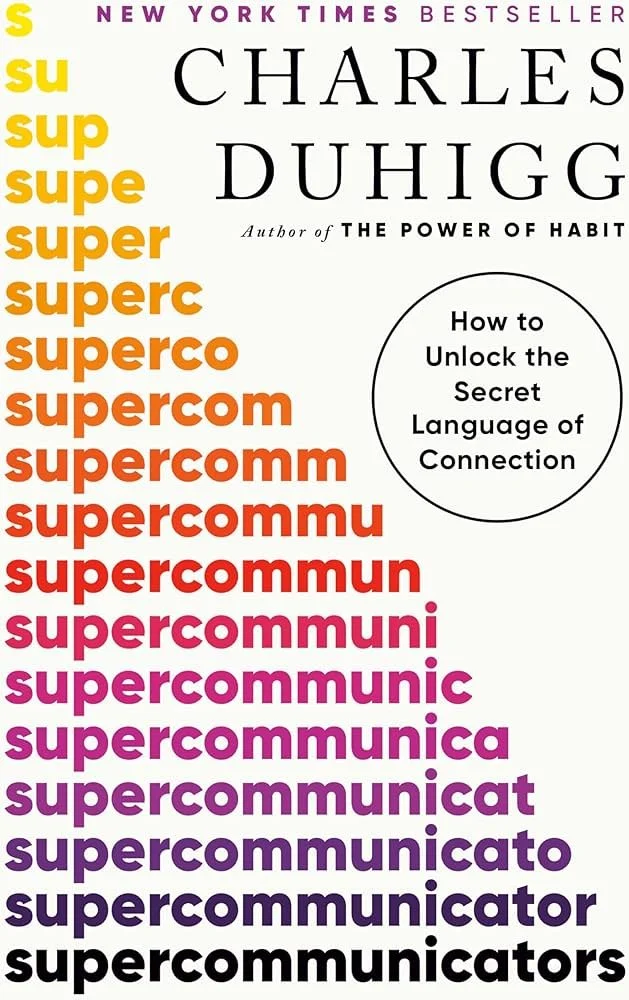
Super Communicators
Charles DuhiggSuper Communicators explains that the key to connection is recognizing that conversations fall into three types – practical, emotional, or social – and matching them accordingly.
Crucial Conversations
Patterson, Grenny, et alCrucial Conversations is about equipping people with skills to handle difficult discussions effectively, where opinions differ, emotions run strong, and outcomes matter significantly, teaching how to stay calm, create safety for open dialogue, and reach positive results instead of avoiding or mishandling high-stakes talks at work or home.
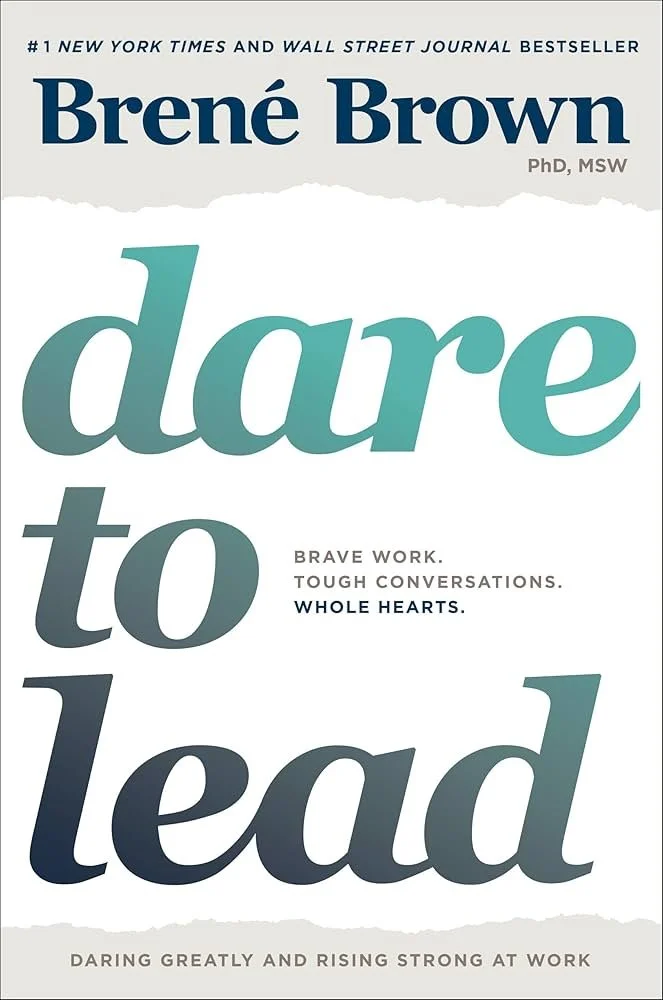
Dare to Lead
Brené BrownDare to Lead offers a practical framework, built on extensive research, for becoming a braver leader by developing skills to handle uncertainty, foster trust, and create cultures where people can do their best work.
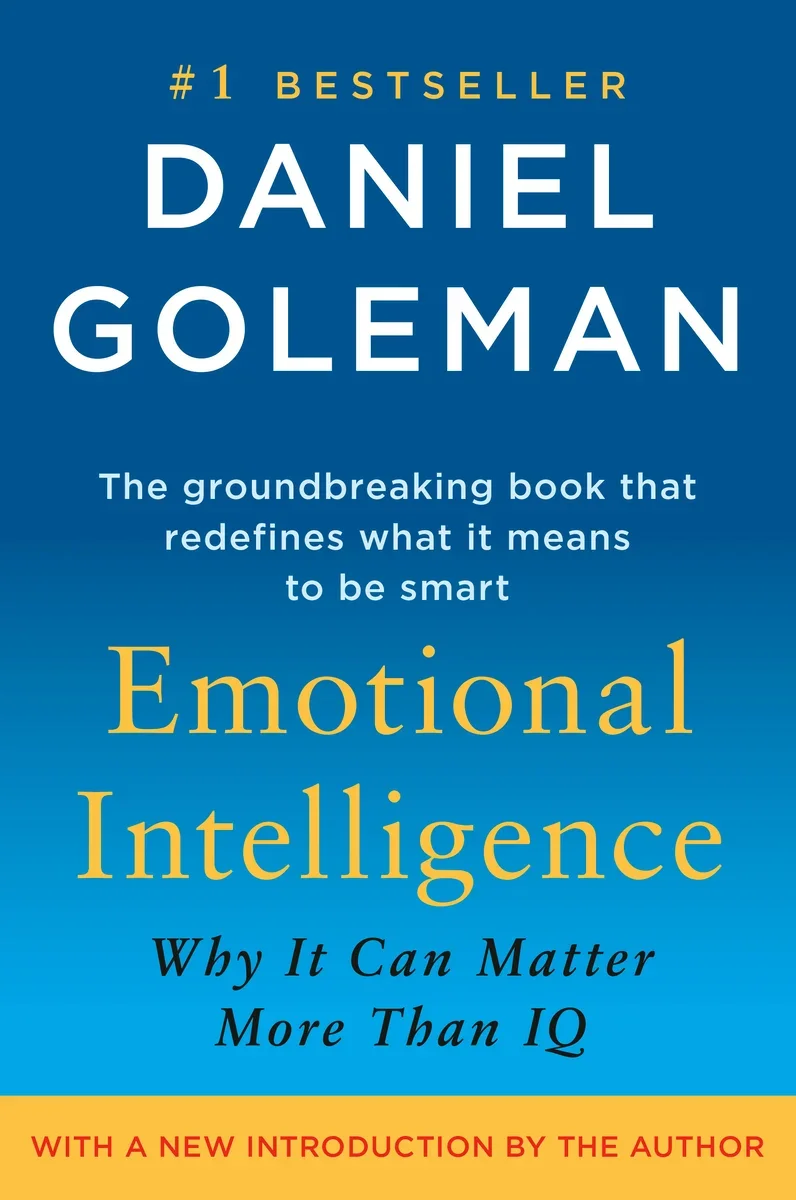
Emotional Intelligence
Daniel GolemanEmotional Intelligence argues that EQ is a better predictor of success, health, and happiness than IQ.
For Executives
Leading through complexity, culture, and consequence
These selections are for leaders responsible for outcomes at scale. They address judgment, organizational dynamics, culture, and the realities of making difficult decisions with incomplete information.
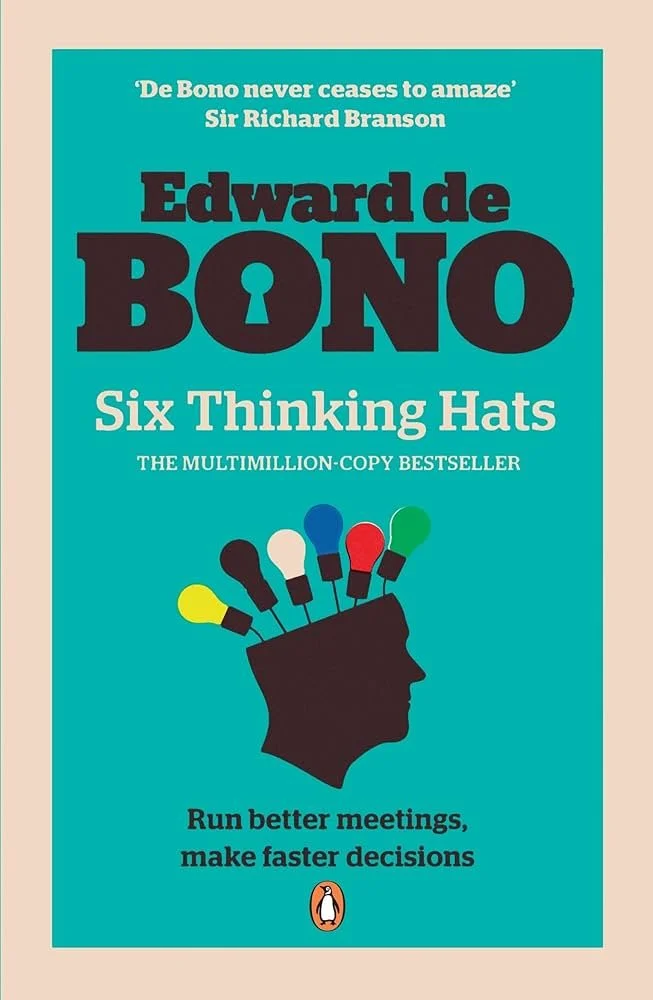
Six Thinking Hats
Six Thinking Hats provides a structured, parallel thinking framework for better decision-making and brainstorming.
Edward de Bono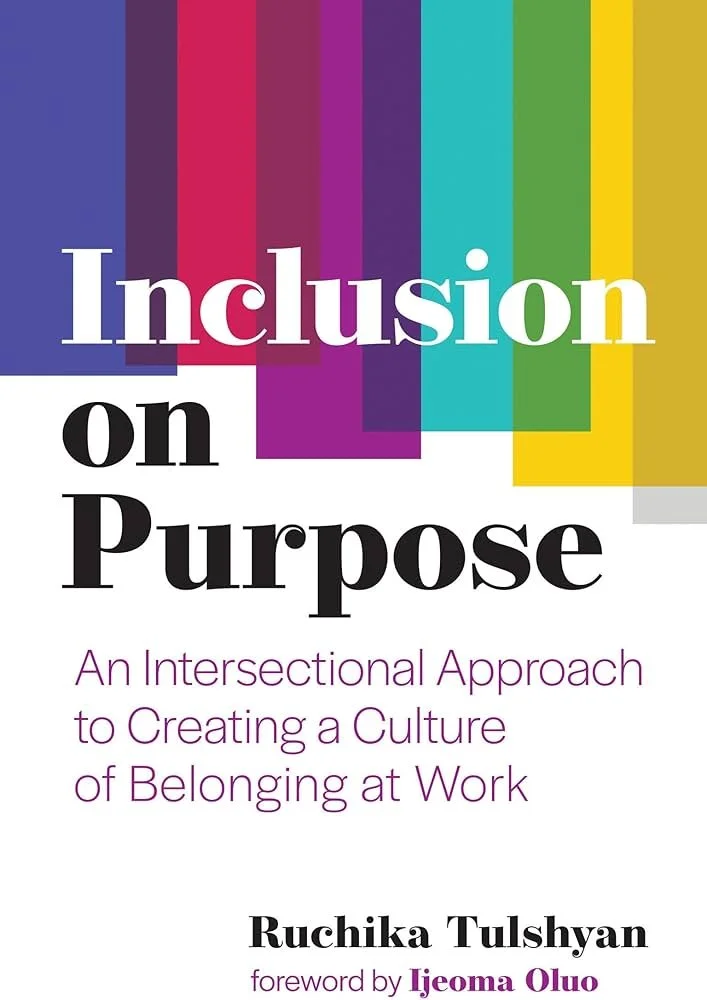
Inclusion on Purpose
Inclusion on Purpose is a guide for leaders to intentionally build inclusive workplaces by dismantling systemic bias, with a focus on centering the experiences of women of color.
Ruchika Tulshyan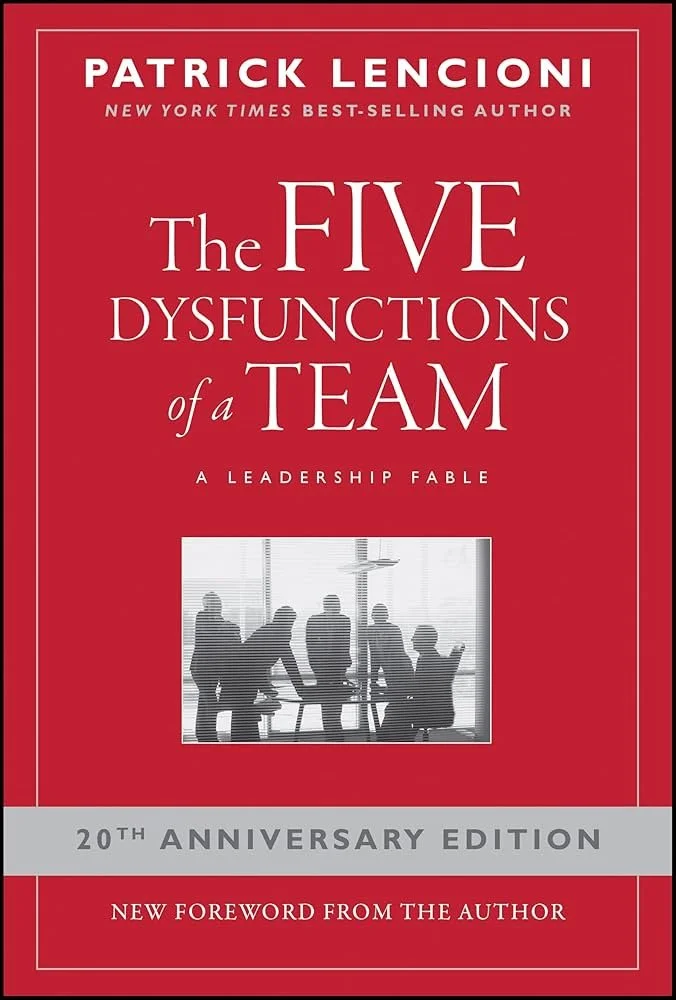
The Five Dysfunctions of a Team
Patrick Lencioni The Five Dysfunctions of a Team is a business fable about why teams fail, outlining five core issues as a pyramid: Absence of Trust, leading to Fear of Conflict, which causes Lack of Commitment, resulting in Avoidance of Accountability, and ultimately Inattention to Results.
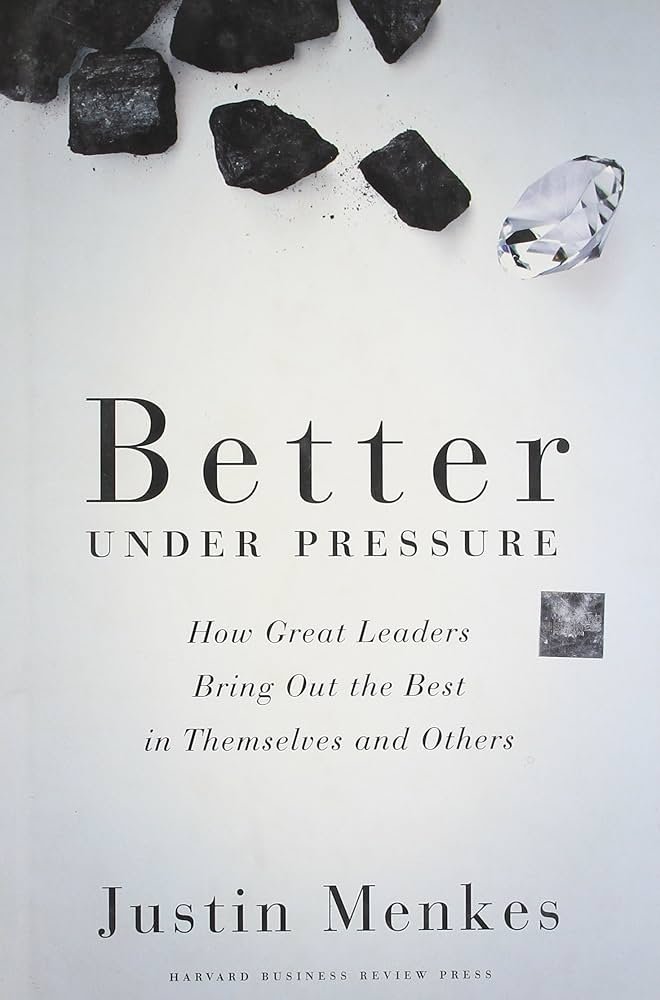
Justin MenkesBetter Under Pressure
Better Under Pressure outlines how top leaders succeed during intense crises by utilizing three core, trainable psychological attributes: realistic optimism, subservience to purpose, and the ability to find order in chaos.
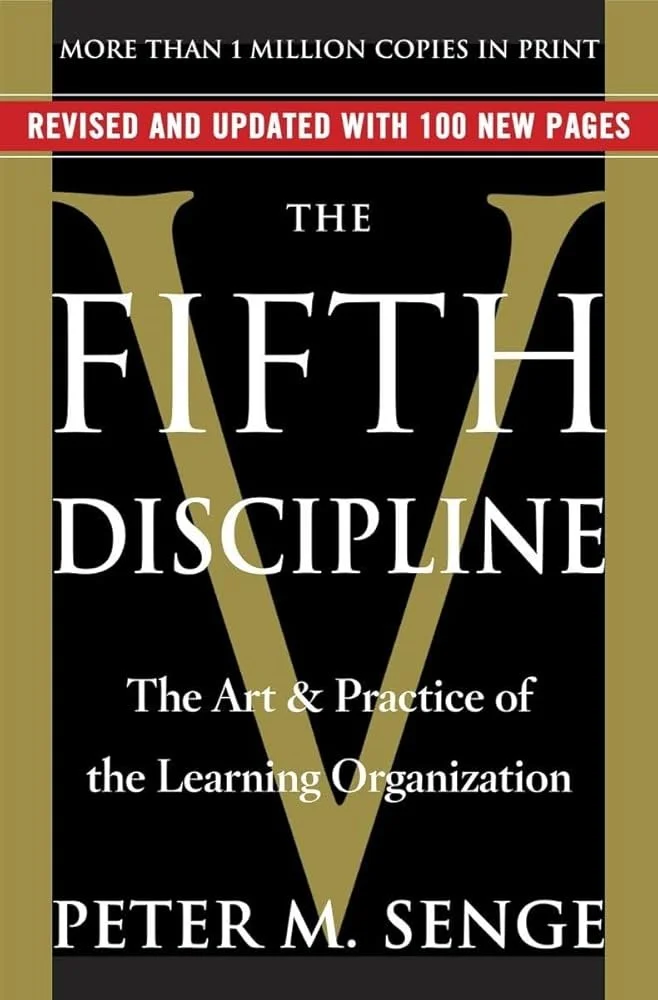
Peter SengeThe Fifth Discipline
The Fifth Discipline is about creating “learning organizations” that use systems thinking to solve complex problems, foster collaboration, and adapt continuously.
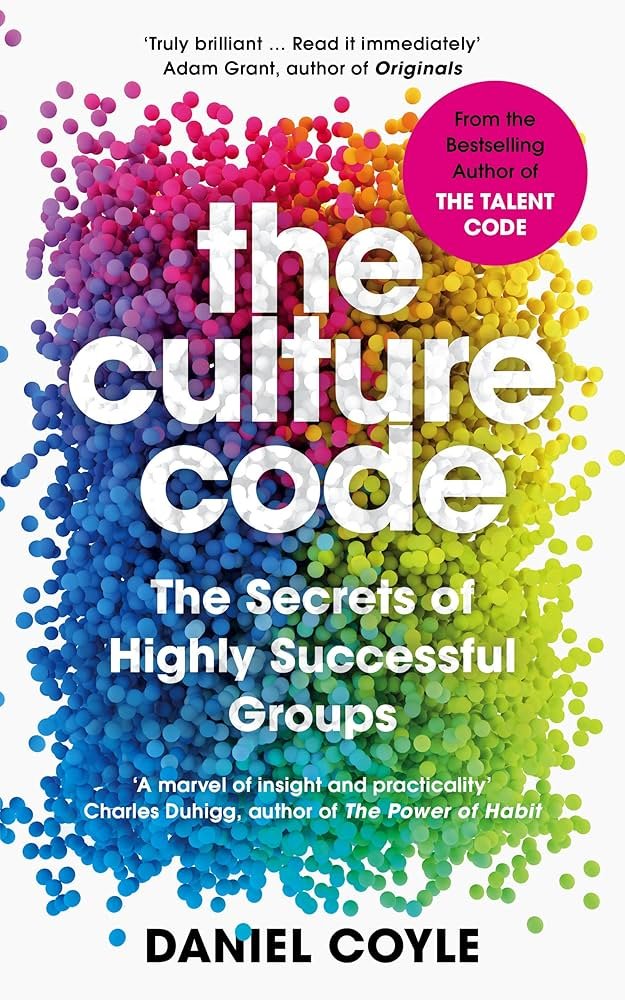
Danny CoyleThe Culture Code
The Culture Code explores the secrets behind highly successful groups, revealing how they build cohesion, trust, and collaboration by focusing on three key skills: building safety, sharing vulnerability, and establishing purpose.
If something here resonates, it often signals alignment in how we think about leadership.